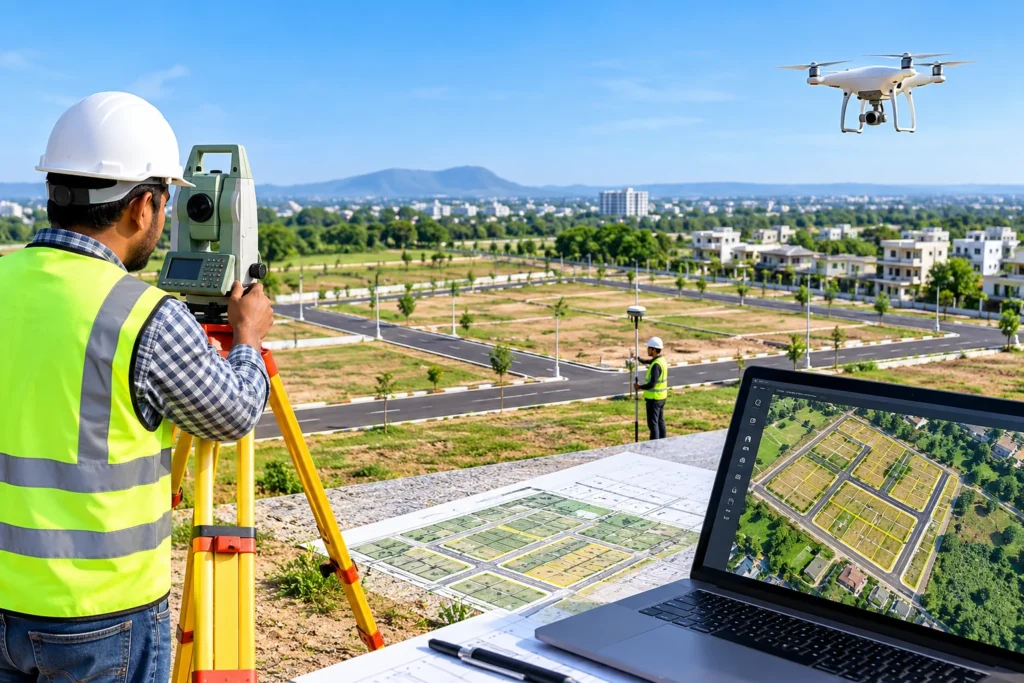
Get ready for your first job
Build practical technical skills, explore industrial equipment, and learn how engineering works beyond the classroom. Discover job-oriented training designed around real industry requirements and entry-level engineering roles.

From Career Goals to Practical Skills.

Career-Oriented Learning
Training begins with identifying relevant entry-level job roles across engineering disciplines. Each learning path connects technical subjects with the skills required for specific career opportunities.
Industry-Focused Technical Training
Training covers relevant engineering concepts, industrial equipment, tools, software and technical procedures aligned with workplace requirements.
Equipment-Based Practical Learning
Learning focuses on understanding equipment, operating principles, applications and troubleshooting methods to connect engineering theory with industrial practice.
Job-Focused Skill Development
Training reinforces technical understanding, problem-solving and the ability to explain engineering concepts and demonstrate relevant skills during interviews and job assessments.

Engineering knowledge. Practical skills. Career direction.
Explore technical learning areas, understand job-role requirements and choose training that matches your engineering background.
Student Level Training modules
Explore core engineering disciplines and related technical areas.
Expert Faculty / Trainers
Guide you with relevant job role skills that are commonly require for an entry level technician
Industries / Sectors
Explore equipment categories and expand the catalogue as your interests develop.
Years of experience in delivering student Training
Ask for guidance on eligibility, duration, learning method and course options.
These are the entry-level job trainings we offer
Explore entry-level job roles across engineering disciplines. Understand the work, identify relevant technical skills and discover training programs aligned with each career path.
Entry-Level Job Roles
Explore entry-level roles in construction, site execution, drafting, surveying and quality.
Learn the Equipment Used in Real Engineering Jobs
Explore industrial equipment by engineering discipline. Build practical familiarity with the machines, instruments and systems employers use across factories, plants, construction sites and infrastructure projects.
Key Equipment in Civil & Construction Equipment
Key Equipment in Mechanical & Rotating Equipment
Key Equipment in Electrical Power Equipment
Key Equipment in Electronics & Embedded Systems
Key Equipment in Instrumentation & Process Control
Key Equipment in Production & Manufacturing Equipment
Key Equipment in Welding & Fabrication Equipment
Key Equipment in Chemical & Process Plant Equipment
Key Equipment in HVAC & Refrigeration
Key Equipment in Automobile & Vehicle Systems
Key Equipment in Mining & Heavy Earthmoving
Key Equipment in Oil, Gas & Pipeline Equipment
Key Equipment in Water & Wastewater Equipment
Key Equipment in Marine & Ship Systems
Key Equipment in Renewable Energy & Energy Storage
Key Equipment in Testing, Measurement & NDT Equipment
Key Equipment in Material Handling & Industrial Automation
A More Focused Way to Prepare for Engineering Jobs
Connect engineering knowledge with job roles, industrial equipment and the industries that use them. Explore relevant skills and understand course options before making a decision.
Prepare for Entry-Level Jobs
Build the technical knowledge and practical skills expected in entry-level engineering roles.
Understand Industrial Equipment
Learn about the machines, instruments, systems and software used in engineering workplaces.
Explore Industries
Discover career opportunities across manufacturing, construction, power, oil and gas, automobiles and other engineering industries.
Connect Knowledge with Practice
Understand how engineering concepts are applied to real equipment, processes and technical problems.
Identify the Right Skills
Match technical training with the requirements of target job roles and industry sectors.
Get Career-Focused Guidance
Understand course coverage, learning outcomes and relevant career options before enrolling.
Student Project Case Studies
See how engineering knowledge is applied to practical projects and workplace challenges.
Learn From People Who Understand Engineering
Explore faculty qualifications, professional experience, technical specialisations and training focus to find people relevant to your learning goals.
Srinivasa Rao Nimmagadda
Water Treatment Plant ExpertEffluent treatment plant operation Sewage treatment plants Zero liquid discharge systems Biogas and bio-methanation Water treatment plants Pollution control board liaison Environmental laboratory analysis…
Venkata Ramana Kandukuri
Senior Piping EngineerLubrication and oil systems Piping design Static and rotary equipment P&IDs and datasheets Technical bid evaluation Installation and commissioning Vendor coordination API and ASME…
Discover Where Your Engineering Skills Are Used
Explore the industries that use engineering knowledge, equipment and technical processes. Choose an industry to discover applications relevant to your career interests.
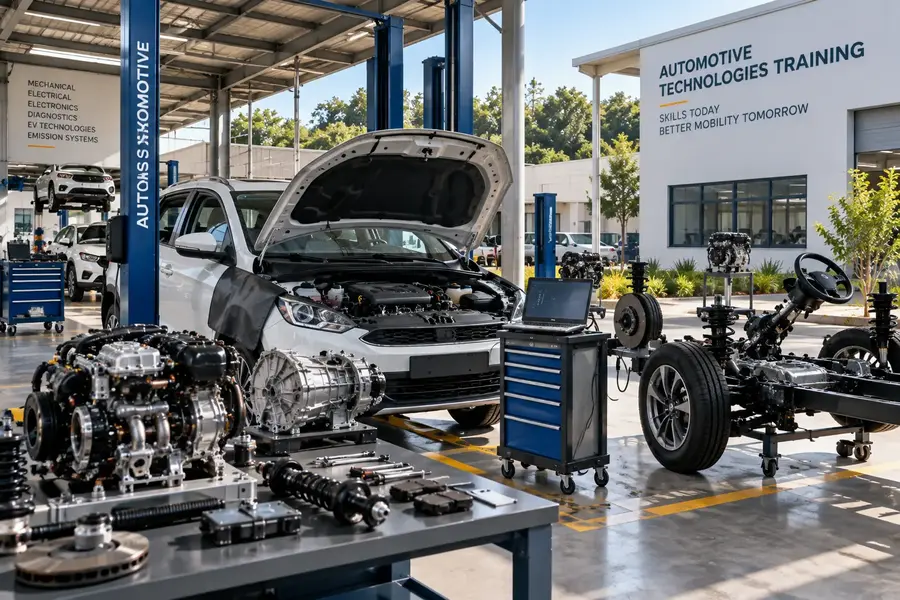
Automobile Technologies

Biotechnology
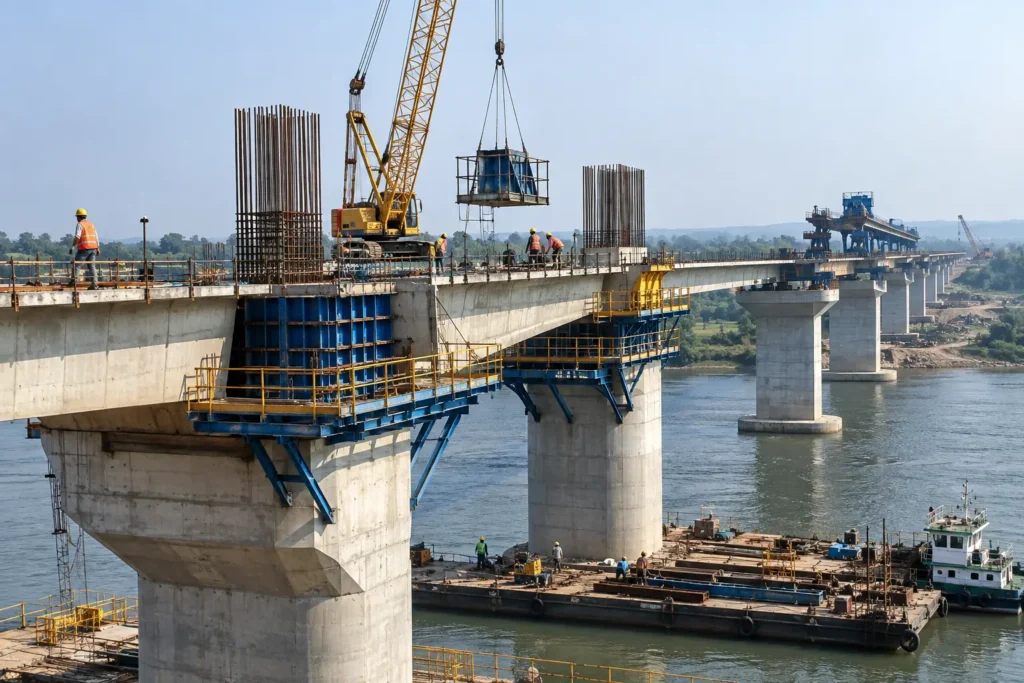
Bridges
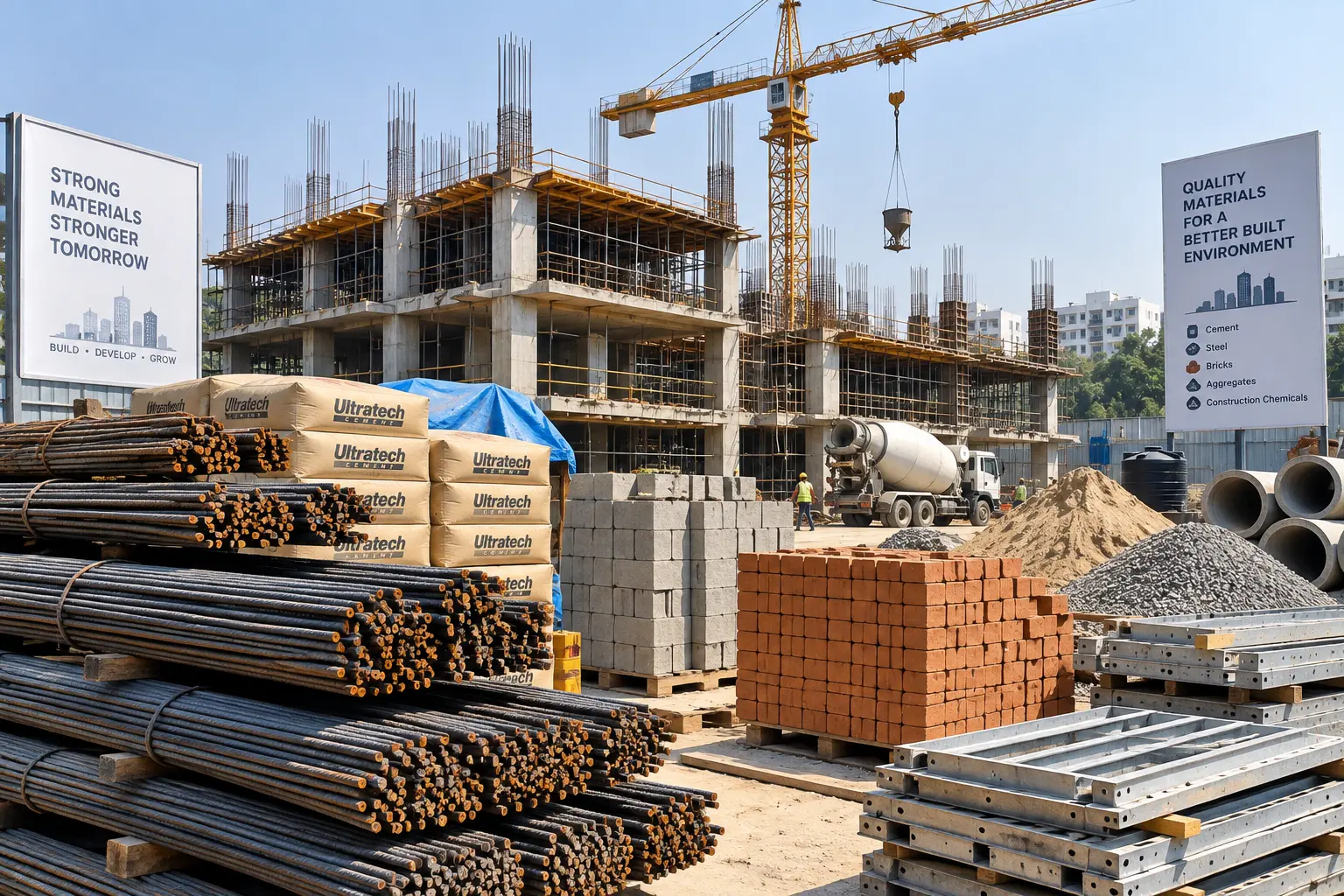
Building Construction Materials

Cement Plant Technologies

Chemical Plants
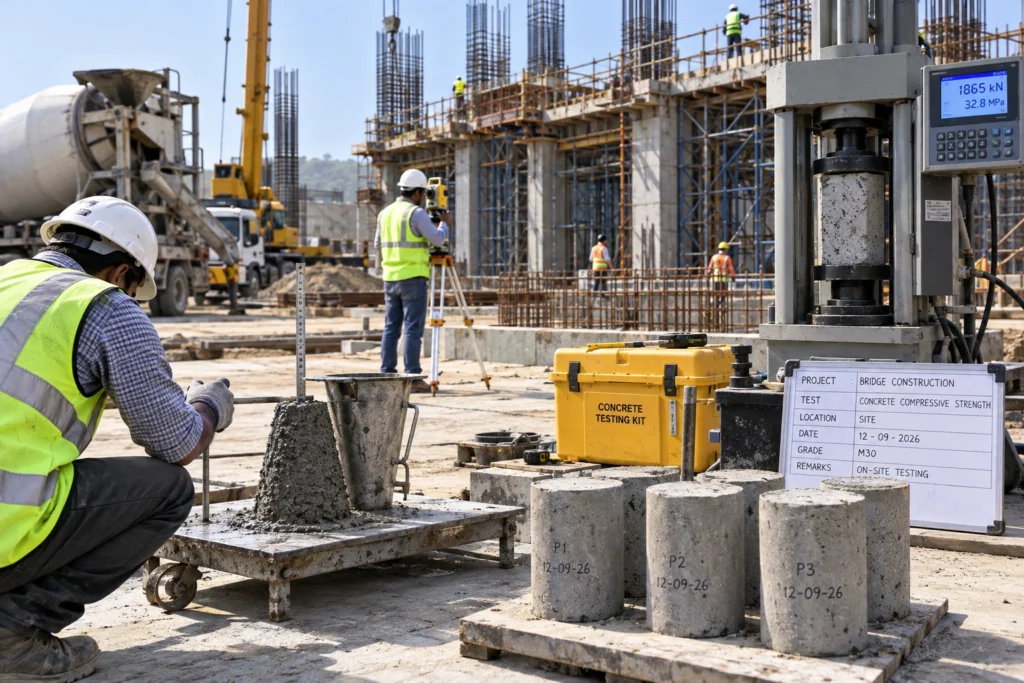
Construction
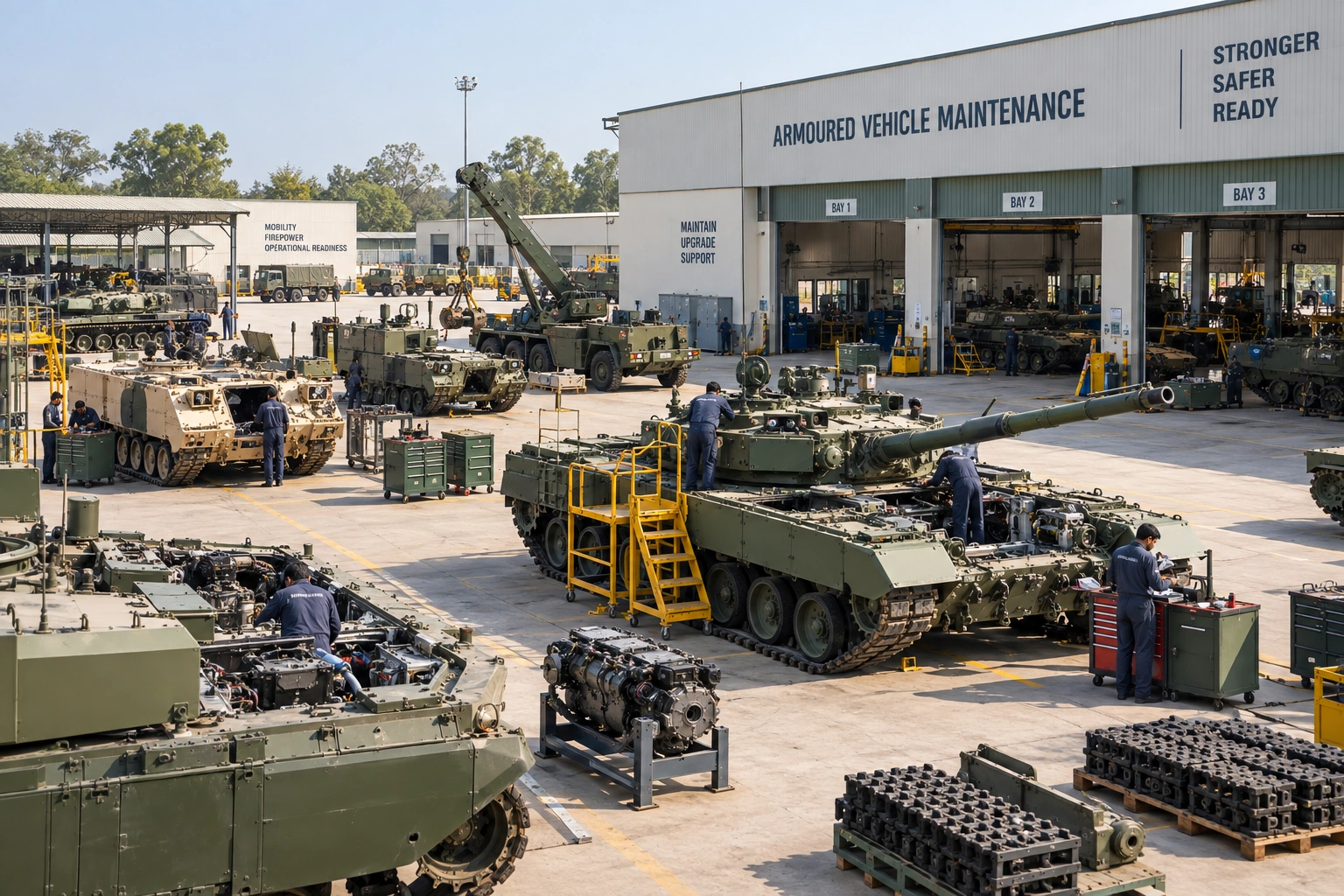
Defence Industry

E Commerce
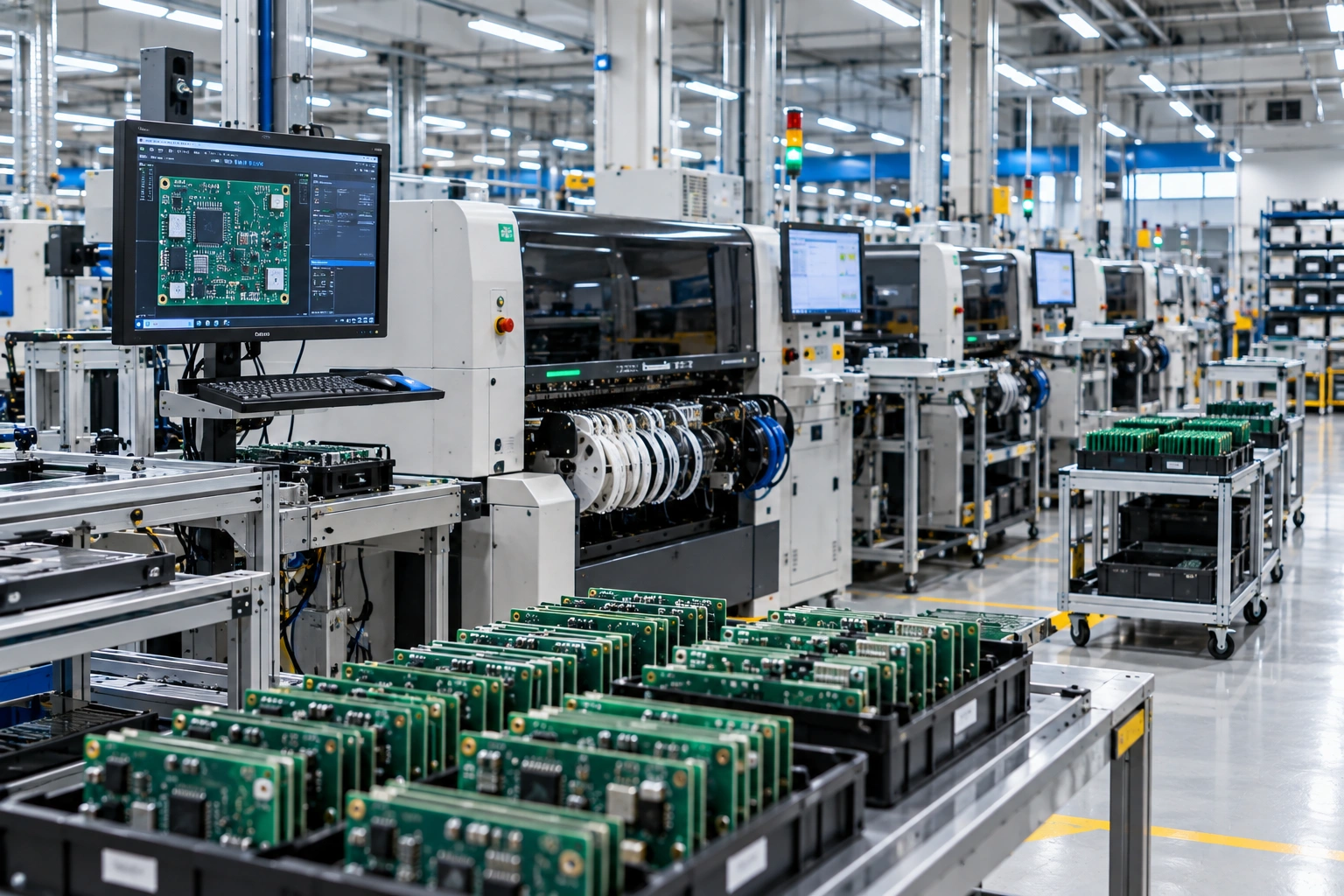
Electronics Industry

Farming Business
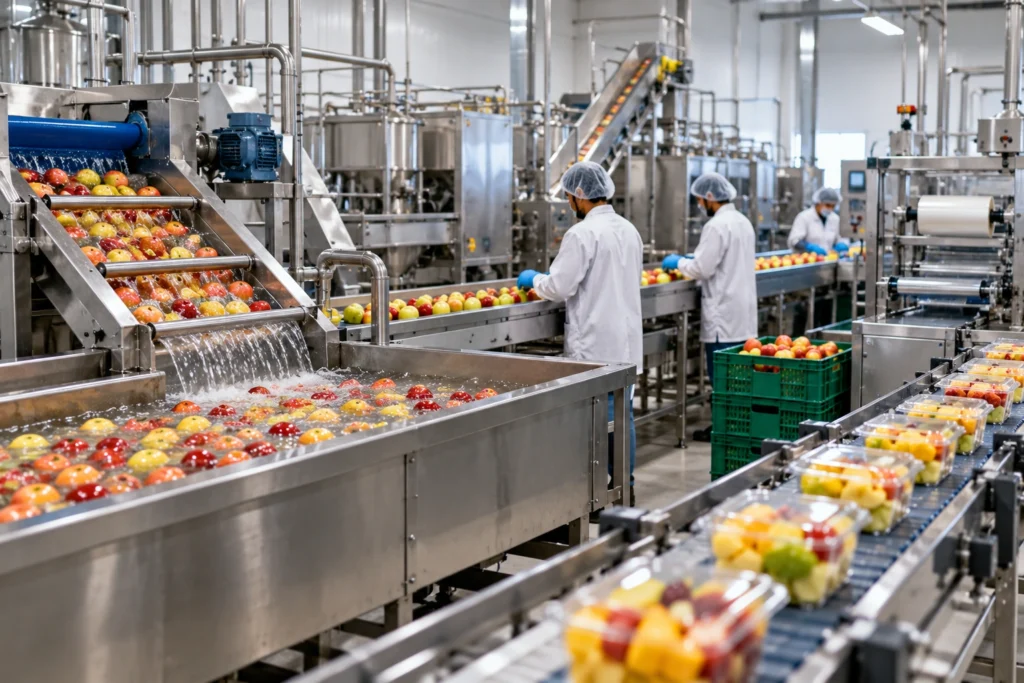
Food Processing

Healthcare
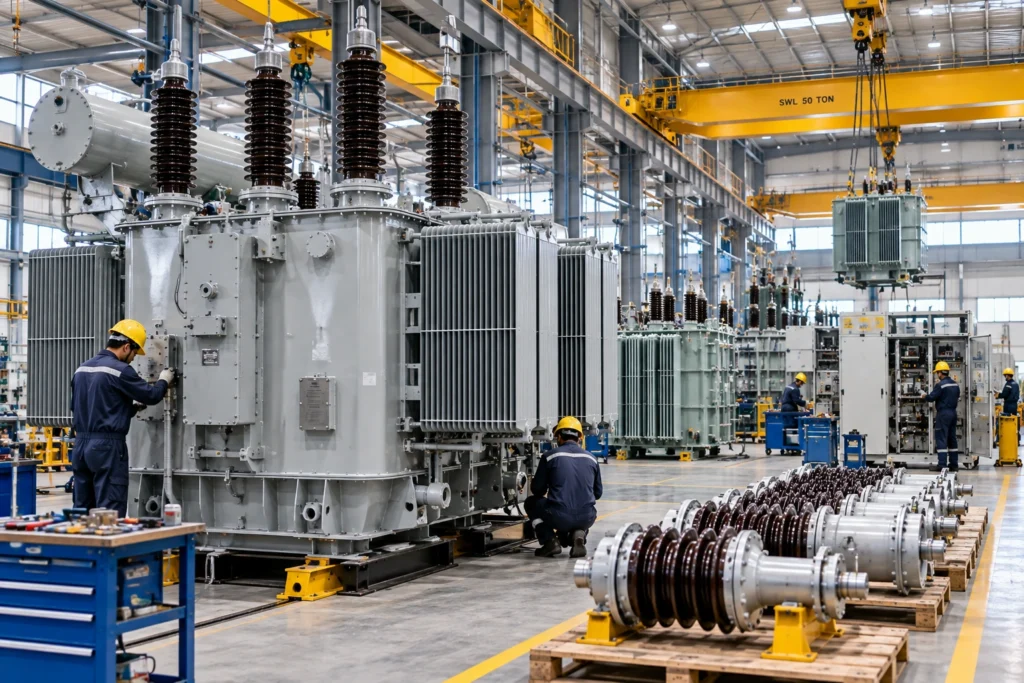
Heavy Electricals
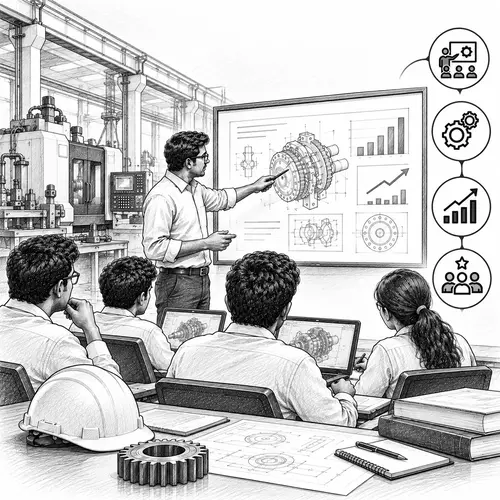
Industrial Engineering

Instrumentation & Control

Insurance and Banking

International Business
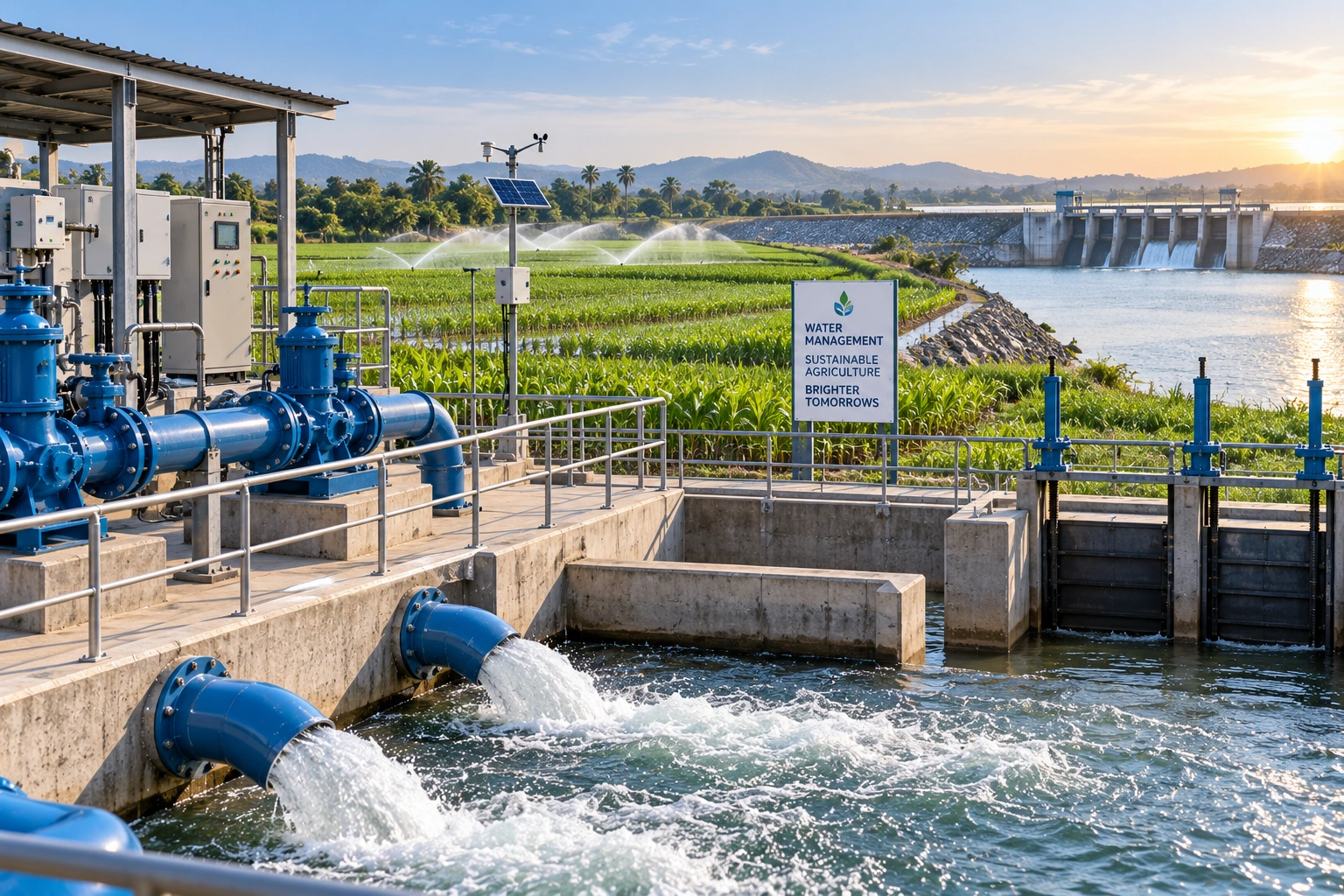
Irrigation and Water Sector

Logistics
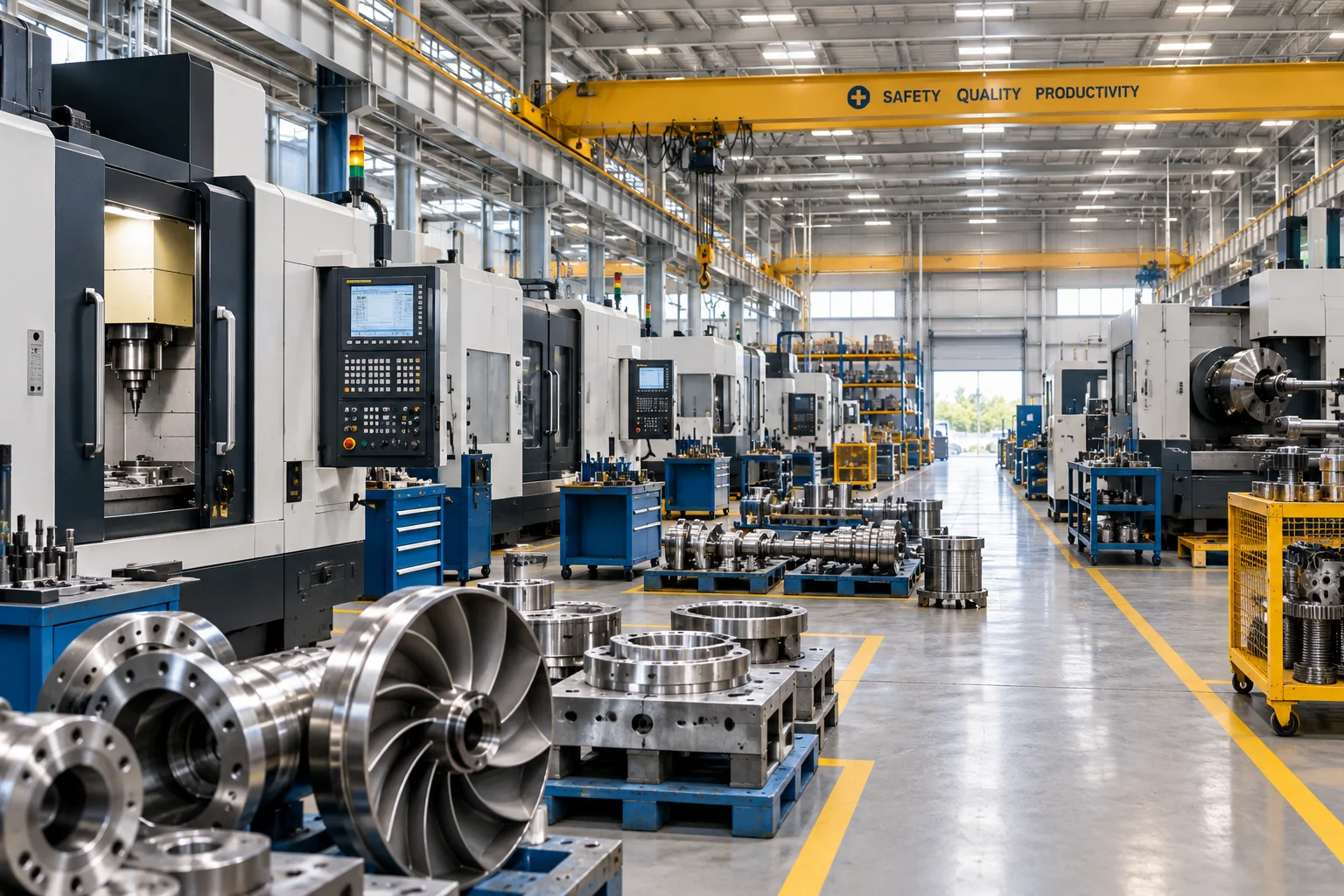
Machinery Industry
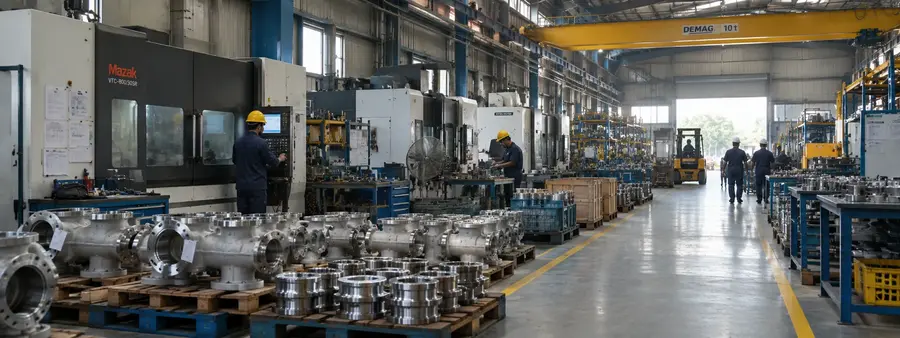
Manufacturing

Maritime Business

Metal Extraction Industry

Mining Industry

OIl and Gas

Packaging Industry

Petrochemical Industry

Pharma Sector
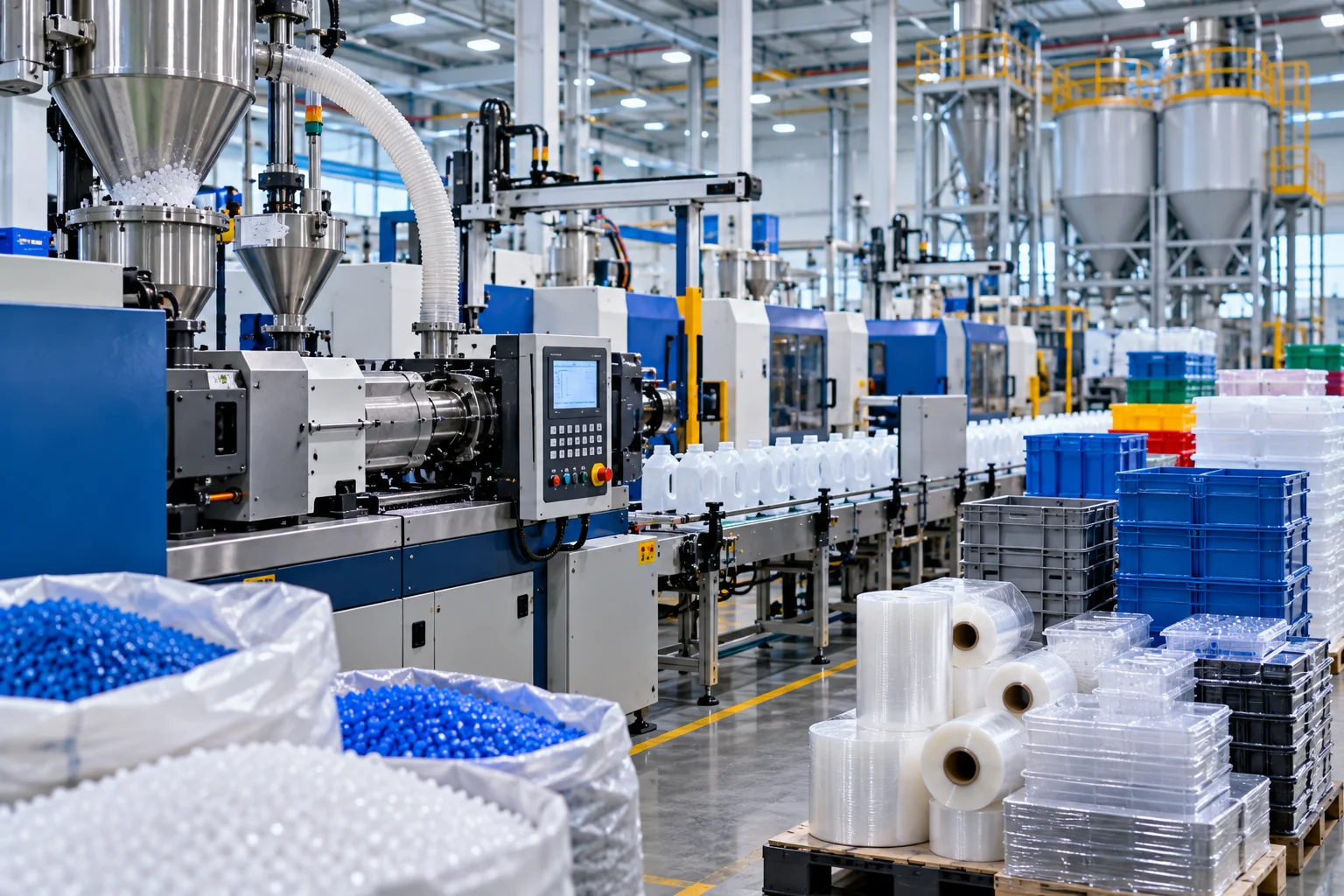
Plastic Industry

Powerplant Training

Railways




Every Career Begins With Learning
Read genuine student experiences about the training they completed, the skills they developed and the outcomes they can verify. Training progress, interview readiness and employment outcomes are different measures and should be described accurately.
StudentRahul VarmaEducationB. Tech Civil EngineeringCourse studiedSite Engineering & Construction Management CourseLocationVizianagaramI studied civil engineering, but I needed more practical knowledge about site work. The training helped me understand construction activities, drawings, measurements and site safety. I now have a clearer idea of what a junior site engineer does
Learning outcomeTarget role: Junior Site Engineer Industry: Building construction and infrastructureRead student story ↗
Frequently Asked Questions
Review the common questions students ask before choosing a technical training programme.
Is Pertecnica suitable for fresh engineering graduates?
Can diploma holders join?
Does every course include hands-on equipment training?
Will I receive a certificate?
Does Pertecnica guarantee a job?
How long does training take and what does it cost?
Not Sure Which Course Is Right for You?
Tell us about your engineering background, preferred job role and the technical skills you want to develop. Our team can help you explore relevant programmes and understand eligibility, duration, delivery mode and fees.